My Father’s Book, Reborn: The Third Edition Is Here
The third edition of my father’s Intermarket Analysis and Investing is here. Read my foreword, and find the paperback and Kindle editions.
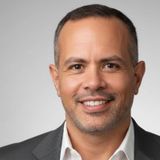
I want to share something personal with you. The third edition of Intermarket Analysis and Investing: Integrating Economic, Fundamental, and Technical Trends is now available in paperback and on Kindle, carrying the names of my father, Ehab Gayed, and me.
When I first republished my father’s book, I wanted to preserve it. This time, I wanted to continue it. The distinction matters, and it is the reason I wrote the foreword I’m sharing below.
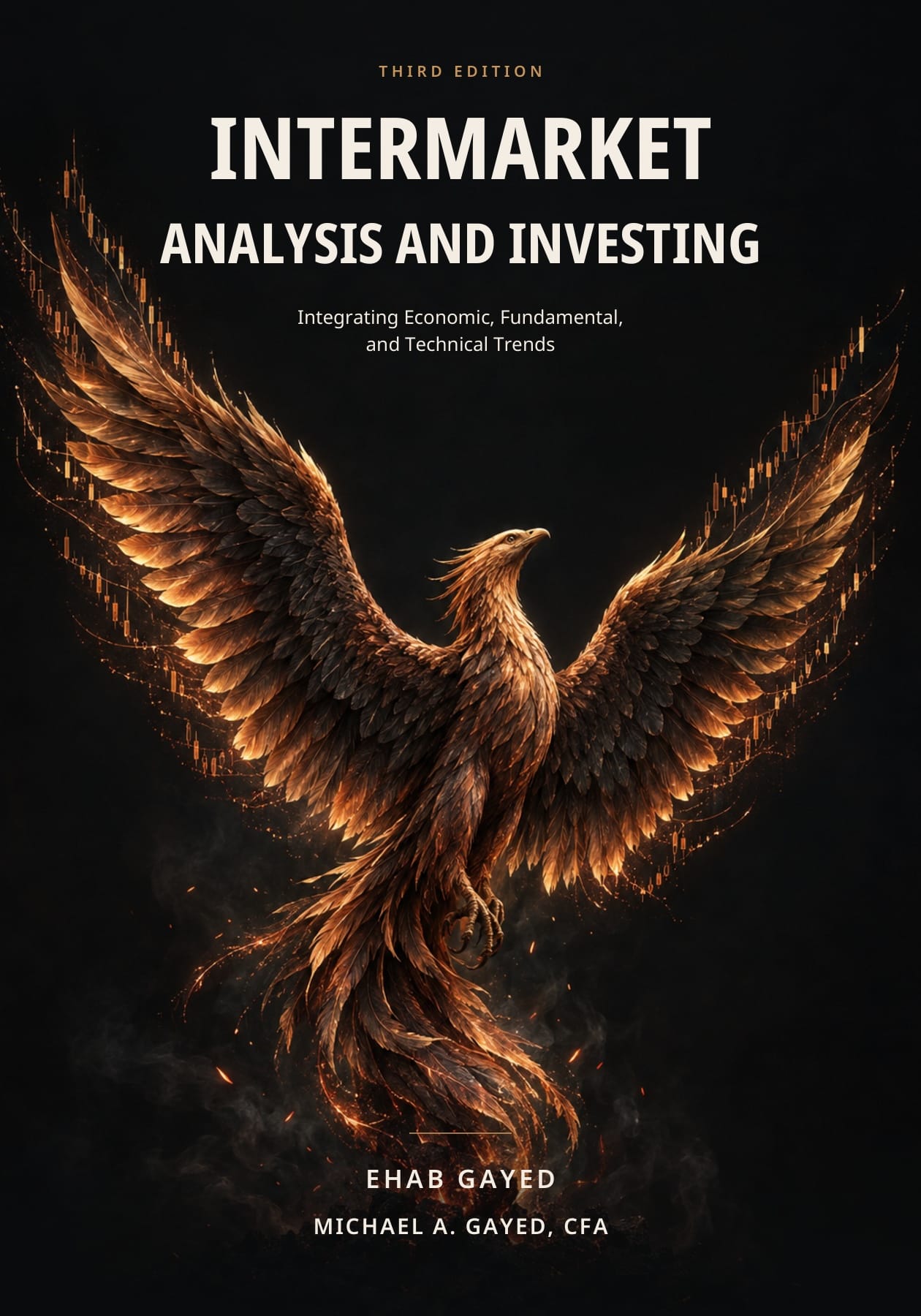
Get the paperback on Amazon · Read the Kindle edition
What this edition is about
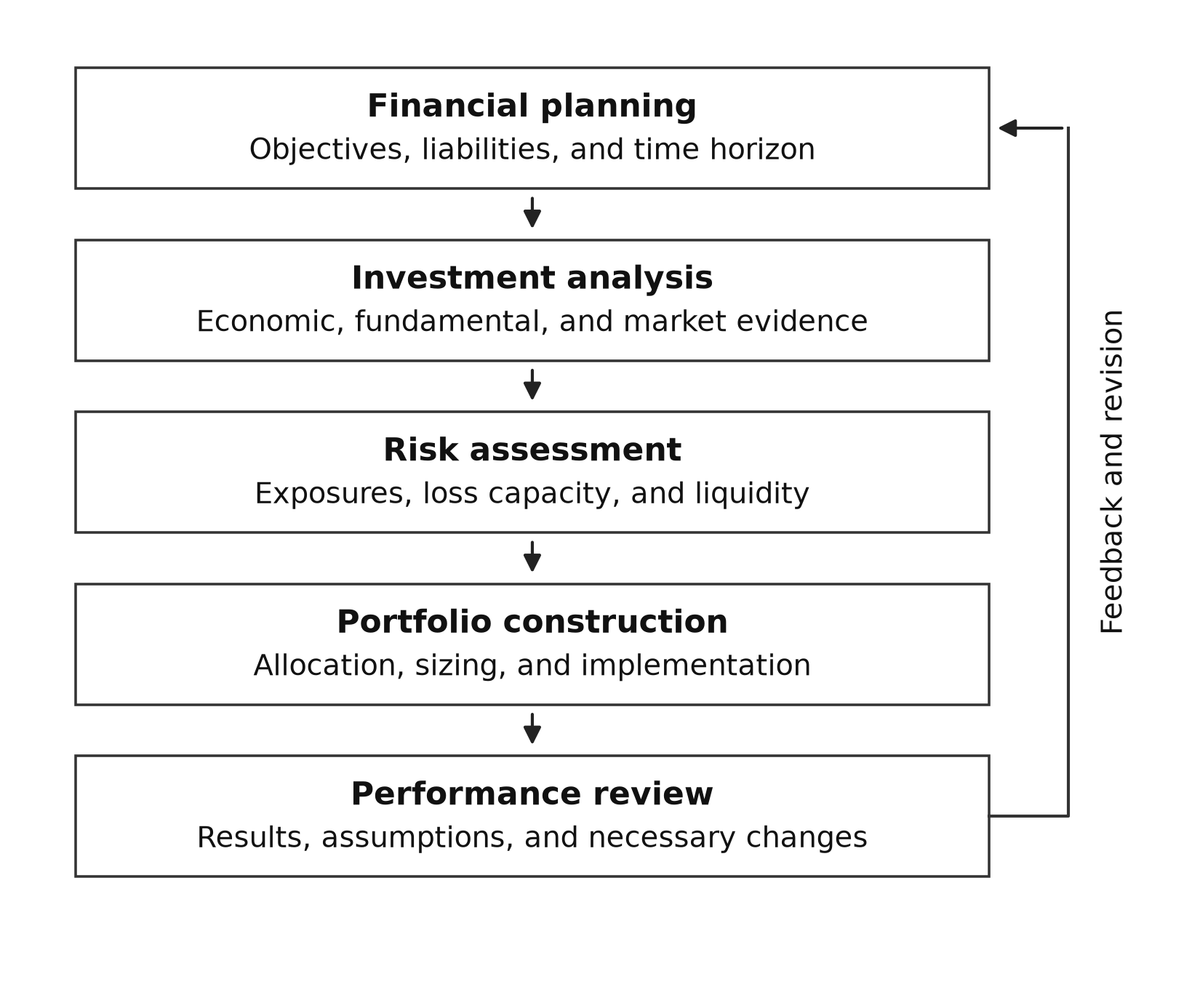
Markets do not move in isolation. Economic conditions, business fundamentals, price behavior, and the risks inside a portfolio belong in the same conversation. That is the organizing idea of this book: not finding one indicator that answers every question, but learning to bring different kinds of evidence into a disciplined investment process.
The expanded third edition spans 19 chapters, 87 exhibits, and 29 tables. It brings the original framework into a modern market context, with worked examples and source notes that help readers examine the reasoning rather than simply accept the conclusions.
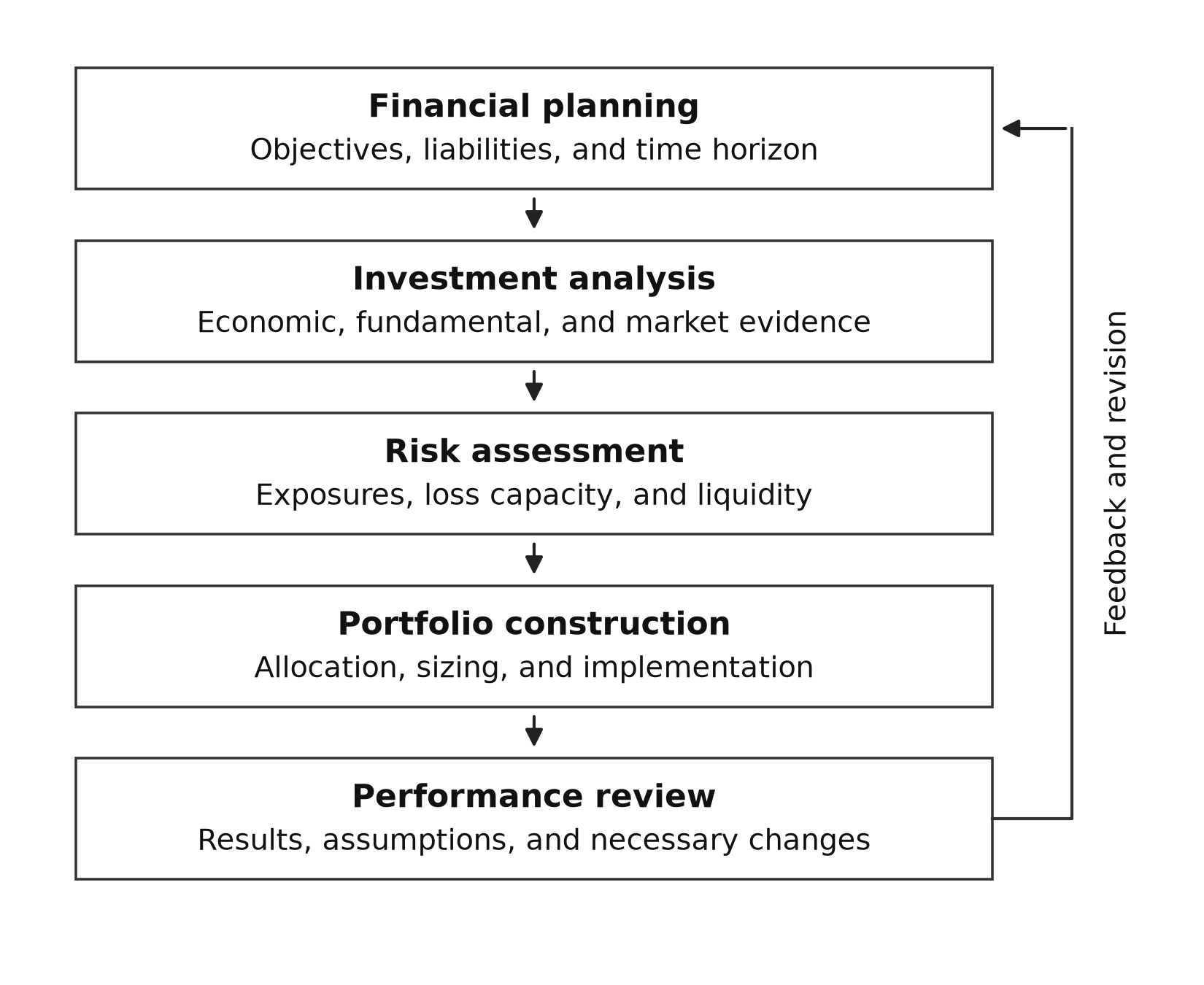
The framework begins with what an investor is trying to accomplish and returns to those objectives after decisions have been made. Analysis is not a substitute for responsibility. It is part of how we exercise it.
For me, the responsibility involved in this edition is also personal. The foreword below explains why.
Foreword: I Will Not Relent
By Michael A. Gayed, CFA. Reproduced from the third edition of Intermarket Analysis and Investing.
I appreciate markets more now than I did when I first republished my father's book. That may sound strange coming from someone whose respect for markets has been tested by them. But appreciation is not the same thing as comfort. I have learned to respect what I cannot control, and to look more closely at the part of the investment process for which I am responsible.
My father wrote Intermarket Analysis and Investing in 1990. When I republished it in his honor, I left the book itself untouched and added a foreword. I wanted people to have the opportunity to read his work. I also wanted to preserve something of the man who had written it.
At the time, preservation seemed the most faithful thing I could do. As I have grown older, my understanding of that responsibility has changed. A book about observing change should not be protected from new evidence. The greater tribute is to take its questions seriously enough to ask them again.
That is the reason for this edition. My father's framework remains its foundation: understand the economic environment, examine the underlying fundamentals, study the behavior of markets, and bring those observations together in the management of risk. The markets and circumstances examined in these pages have changed. The need to do that work has not.
There is another reason this book matters to me, and it is harder to separate from my own life. As I have gotten older, I have learned to forgive my father. That does not mean I have stopped seeing his struggles. It means I have begun to understand that he was trying to figure it all out himself.
It is easy for a son to see his father as someone who was supposed to know. He was supposed to know how to provide, how to teach, how to handle pressure, and how to remain strong. Getting older has made me less certain that any person arrives equipped to do all of those things. Responsibility comes before complete understanding. Often, it comes while a person is still trying to understand himself.
My own struggles have changed the way I look at his. Surviving difficulty does not make every earlier hurt disappear, but it can make judgment less simple. I have become more willing to see the effort behind the imperfections. He was a father, but he was also a man trying to find his way.
Forgiveness, for me, has not meant rewriting the past into something easier. It has meant allowing a fuller account of it. The man who wrote this book was not only the father I experienced at one stage of my life. He had questions, pressures, hopes, and limitations of his own. I understand that better now.
I have also had to reconsider how I take care of myself. I wanted to lose weight, but underneath that was a more important desire: I wanted to live longer. I wanted to give myself a better chance of being here, and to stop treating my health as something that could wait while everything else demanded attention.
Fasting was the principal way I lost the weight. I began with intermittent fasting, moved to one meal a day, and later undertook longer fasts of forty-eight and seventy-two hours. At the longest, I went nine days without eating. Those are facts about my experience, not a fasting plan for the reader.
For me, the experience was connected to a need to prove that I could exercise discipline over my choices. I read about autophagy and longevity because I wanted to understand health more seriously. But my personal experience is not proof of a particular biological benefit, and it cannot tell me how long I will live. Health decisions belong in a conversation with a qualified clinician, not in an attempt to reproduce someone else's story.
The connection I draw to markets is narrower than that. I cannot control what markets do. I can work on how I respond to them, the risks I accept, the habits I reinforce, and the judgments I am willing to reconsider. That distinction has become increasingly important to me.
It is possible to spend a great deal of time watching markets while paying too little attention to the condition of the person watching them. I have had to learn that survival is not only an investment objective. It is also a personal responsibility. Wanting more years is meaningful only if I am willing to take the work of living seriously.
My father's book returns repeatedly to discipline, observation, and the limitations of any single approach. I read those passages differently now. They are not a promise that analysis will remove uncertainty. They are an argument for doing the work despite uncertainty, and for refusing to confuse conviction with control.
This edition carries both our names. That is a statement about its origins and about the responsibility I have accepted in continuing it. I cannot know what my father would have written about every event that followed. I can preserve the questions he taught investors to ask, test the relationships he considered important, and be honest when later evidence requires a different conclusion.
I want the reader to encounter more than a collection of indicators. I want the reader to see the discipline of bringing different kinds of evidence into the same decision, without pretending that any of them is infallible. I also want the reader to encounter the care my father put into explaining that process.
I believe all our fathers want is for us to be stronger than they were. I hope I can be. I hope that part of becoming stronger is learning to understand more, to forgive more, and to take greater responsibility for what remains within my reach.
I cannot finish the work my father would have done with more time. I can continue the work he left, and I can try to do it faithfully. That is what this book means to me.
I will not relent.
Continue the work with me
If this way of thinking about markets resonates with you, I hope you’ll read the book. And if you know someone who would benefit from looking beyond a single market, a single indicator, or a single explanation, please share it with them.
Buy the third-edition paperback · Buy the third-edition Kindle eBook
Thank you for reading The Lead-Lag Report and for giving my father’s work the opportunity to reach another reader. This edition is one way I’m trying to carry that work forward.
The Lead-Lag Report is provided by Lead-Lag Publishing, LLC. All opinions and views mentioned in this report constitute our judgments as of the date of writing and are subject to change at any time. Information within this material is not intended to be used as a primary basis for investment decisions and should also not be construed as advice meeting the particular investment needs of any individual investor. Trading signals produced by the Lead-Lag Report are independent of other services provided by Lead-Lag Publishing, LLC or its affiliates, and positioning of accounts under their management may differ. Please remember that investing involves risk, including loss of principal, and past performance may not be indicative of future results. Lead-Lag Publishing, LLC, its members, officers, directors and employees expressly disclaim all liability in respect to actions taken based on any or all of the information on this writing.